
Category: Insights

  • Setting up a Singapore subsidiary: a guide for overseas tech companies

    Setting up a Singapore subsidiary: a guide for overseas tech companies

    Your first Singapore entity: what it takes

    A US software group hires its first Asia sales lead in Singapore. A European fintech’s investors want a regional hub before the next round. An Indian SaaS company wins a Singapore customer that will only contract with a local entity.

    Each of them needs a Singapore company that a bank will open an account for and that can sponsor its staff. It also has to pass the parent’s audit and the next investor’s due diligence.

    The short answer. For most overseas tech groups, a private limited subsidiary is the right vehicle. Registering it with ACRA is quick: most applications are approved soon after the S$300 fee is paid. The time goes into everything around it. That means a locally resident director, a company secretary and a registered office, then the bank account and the passes for the people you send. Line those up first and the rest follows in order.

    Before you start, answer four questions at board level:

    1. Who will be the locally resident director?
    2. Who will hold the shares: the parent, a regional holding company or the founders?
    3. Which year end will the parent’s auditors want?
    4. Who is moving to Singapore, and when?

    Subsidiary or branch: what decides it

    Both are registered with ACRA, and both need a locally resident person and a Singapore registered office. The real difference is how much of the parent sits behind the Singapore business.

    • Subsidiary (private limited company). A new Singapore company owned by the parent. It has its own tax position. It signs customer contracts, holds licences to the group’s IP and sponsors Employment Pass holders in its own name. This is what banks, investors and Singapore customers usually expect to see.
    • Branch of a foreign company. Registered as part of the parent, not as a new company. It must appoint at least one authorised representative who meets the local residency rules. That person can be held personally responsible if the company does not meet its legal requirements. The branch then follows the Companies Act annual filing rules for foreign companies.

    Our view: if the group expects to hire, sell or raise money in the region, choose the subsidiary. A branch can suit a narrow project where the parent wants everything on one balance sheet. Check the tax and liability position with the parent’s own advisers before choosing it.

    Five things to line up before you register

    1. A locally resident director. Every company needs at least one director who is ordinarily resident in Singapore. That means a Singapore citizen or permanent resident, or a holder of an Employment Pass, Personalised Employment Pass or Overseas Networks & Expertise Pass. An Employment Pass holder needs a Letter of Consent from MOM before becoming a director of a company that doesn’t employ them. A ONE Pass holder doesn’t, because that pass already allows them to start and run several companies at once.

    If no one from the group lives here yet, the usual answer is a nominee director. Since 9 June 2025, a nominee director acting by way of business must be arranged through a registered corporate service provider. The provider must be satisfied the person is fit and proper. The company must also record its nominee directors in its register of nominee directors and file that register with ACRA.

    2. A company secretary. The secretary must be appointed within six months of registration, must meet the same residency rules, and can’t be the sole director. Appoint one at incorporation. The secretary keeps the registers and minutes that the bank and your auditors will ask for.

    3. A registered office. This must be a Singapore address where the company’s records are kept for inspection. Since 20 October 2026 it no longer has to be open for set hours each day. Records must still be available, on reasonable notice, for at least two hours on each business day. It doesn’t have to be where your team works. Many groups use their corporate service provider’s address until they lease space.

    4. Shareholders and controllers. Decide whether the parent or a regional holding company will hold the shares. That choice shapes dividends, withholding tax and how the parent consolidates. Share capital can start at S$1, but banks and MOM will look at whether the company is funded for its plans. At registration you also give details of registrable controllers and any nominee directors or shareholders, unless the company is exempt.

    5. A name. You reserve the name on Bizfile for S$15, and the reservation holds for 120 days. ACRA’s review takes up to three working days, or up to 15 working days if another authority has to look at it. Only the person who reserved the name can register the company, and they must be appointed a director or secretary.

    Registering with ACRA, in order

    A company set up from overseas must use a corporate service provider to reserve the name and register it. The provider also has to carry out its own checks on the group’s owners, so have the ownership chain ready.

    1. Prepare the parent’s papers. You need a board resolution approving the subsidiary, a group structure chart up to the ultimate owners, and identity documents for the directors and shareholders.
    2. Reserve the name (S$15, held for 120 days).
    3. Register on Bizfile. The fee is S$300. Most registrations are approved soon after payment. Complex ones can take up to 15 working days, and cases referred to another authority 14 to 60 days.
    4. Endorsements. When your corporate service provider files the registration, the other officers don’t need to endorse it separately. If the company is registered without a provider, directors, the secretary and shareholders must endorse within 60 days.
    5. Receive the business profile. The bank, MOM and the parent’s auditors will ask for it next.

    The first 90 days: bank, auditor, year end and tax

    • Bank account. Start the day the company is registered. Banks will ask for the ownership chain up to the ultimate owners, the source of funds and the expected transactions. The group structure chart you prepared for registration does double duty here.
    • Auditor. Unless the company is exempt from audit, appoint an auditor within three months of incorporation. Ask the parent’s group auditors what they expect from the Singapore entity before you choose.
    • Financial year end. Choose it on purpose. Matching the parent’s year end makes consolidation simpler, and the first year end sets your first tax and ACRA deadlines.
    • Corporate tax. The corporate tax rate is 17%. Companies generally file Estimated Chargeable Income within three months of each financial year end. New companies may qualify for a start-up tax exemption, but only if they have no more than 20 shareholders and either all of them are individuals or at least one individual holds 10% or more of the shares. A subsidiary wholly owned by an overseas parent company usually won’t qualify, so don’t count on it in the first year’s budget.
    • GST. Track taxable revenue from the first invoice so you know when registration becomes compulsory. Registering voluntarily earlier can suit a company whose customers are GST-registered.
    • Intercompany agreements. Put in writing how the parent and the subsidiary charge each other for services, staff and IP, before money moves. Transfer pricing records then follow from those agreements.
    • Officer changes. File any change of director or secretary within 14 days.

    Founder & Executive Passes for the people you send

    Most groups send one or two people first, such as a country manager, a sales lead or a founder. Plan their passes alongside the company, not after it.

    • Qualifying salary. For new Employment Pass applications made before 1 January 2027, the minimum is S$5,600 a month (S$6,200 in financial services), and it rises with age. For new applications from 1 January 2027, it rises to S$6,000 (S$6,600 in financial services).
    • COMPASS. The application must also score 40 points under COMPASS, which looks at salary, qualifications, diversity and support for local employment. A candidate below the qualifying salary isn’t eligible, however many points they score.
    • Job advertising. Before submitting a new EP application, employers must meet the Fair Consideration Framework job advertising requirement unless an exemption applies.
    • Sequence. The subsidiary must exist before it can apply. If the person you’re sending will become the resident director, apply for their pass straight after registration. Cover the gap with a nominee director.
    • The package on paper. Allowances, bonuses and parent-company share options don’t all count towards the qualifying salary in the same way. Check the package before the offer letter is signed.

    The sequence at a glance

    Flowchart: decide the structure, line up director, secretary and office, reserve the name, register the company; then in parallel open the bank account, apply for passes and appoint the auditor

    Registration itself is quick. The bank account, passes and auditor then run in parallel, and they set the real timetable.

    The issues that change the answer

    • Who owns the IP. If the subsidiary will sell the group’s software, decide whether it licenses the IP from the parent or owns some of it. That choice drives intercompany charges, withholding tax on royalties and what investors see in due diligence.
    • How the company is funded. Share capital and an intercompany loan play out differently when you later repay, convert or write off the money.
    • Where decisions are made. Tax residency and treaty benefits depend on where the board actually controls the company. A board that only signs what the parent sends may not support a Certificate of Residence.
    • What the nominee director signs. A nominee is a director with real legal duties. Agree in writing what they will sign and how quickly the parent will respond.
    • Equity for local staff. If Singapore employees will get options in the parent, plan how the grant and any recharge work before the first hire.

    Two common situations

    A US software group sending a country manager. The group sets up a subsidiary owned by the US parent, with a nominee director and a registered office arranged by its corporate service provider. It files the country manager’s Employment Pass as soon as the company is registered. Once the pass is issued, the country manager becomes the resident director and the nominee steps down, with the change filed within 14 days.

    A venture-backed startup opening an Asia hub before its next round. The investors want a clean structure. The startup matches the subsidiary’s year end to the parent’s and signs an intercompany services agreement from day one. It also appoints a company secretary at incorporation, so the registers are ready for due diligence.

    How Futurebooks can help

    We set up Singapore subsidiaries for overseas tech groups and then look after them for years. That covers incorporation, a named company secretary, the registered office and a nominee director while you need one. It also covers Founder & Executive Passes and the accounting and tax that follow. We have served more than 850 clients since 2010.

    Tell us where the parent is based, who you’re sending and when you want to start operating. We’ll come back with the order of steps and a quote for your situation.

    This article is general information based on the rules as of November 2026, not legal or tax advice for your specific situation.
  • GST registration in Singapore: when a tech company must register, and when it should anyway

    GST registration in Singapore: when a tech company must register, and when it should anyway

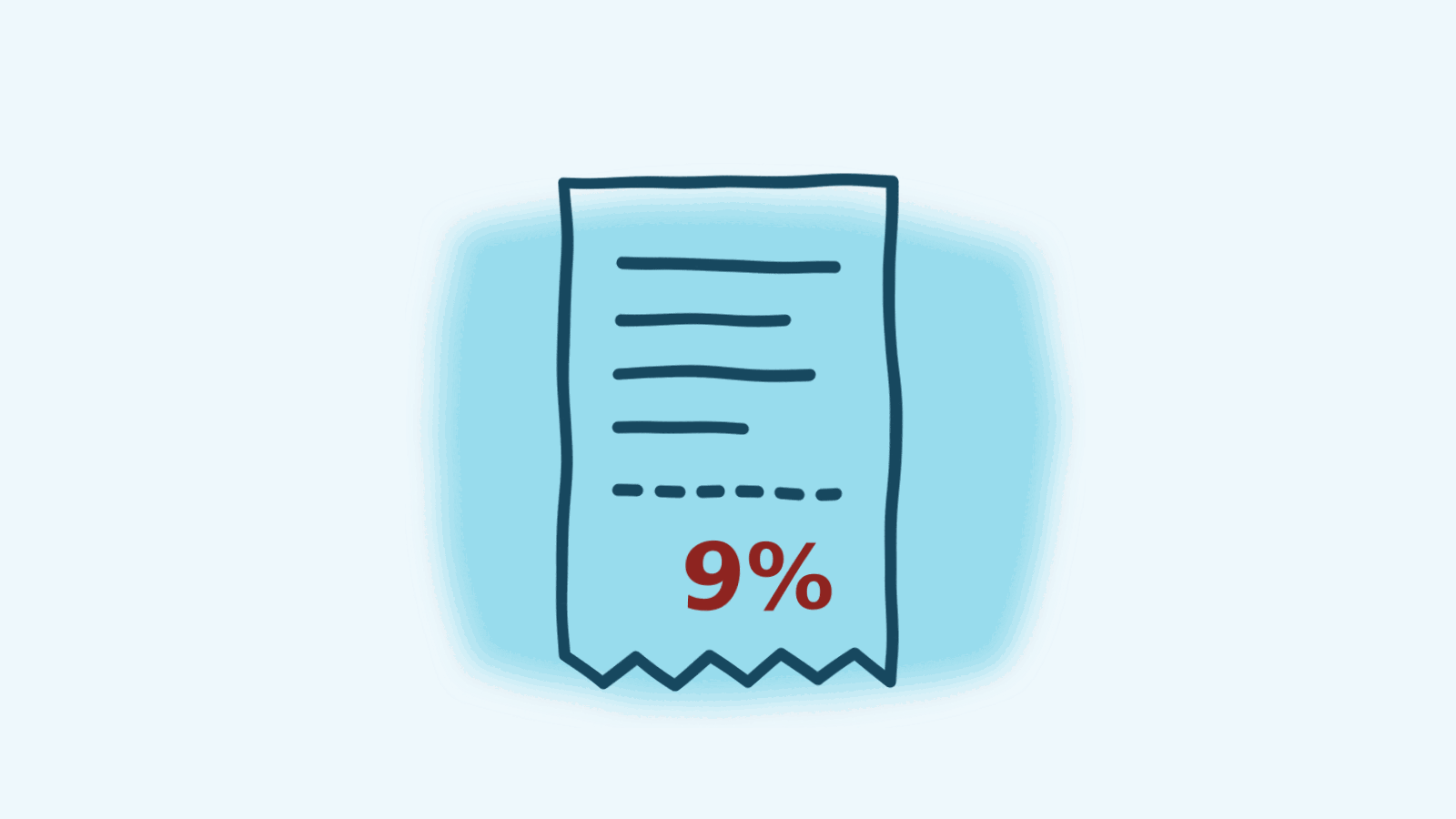
    Goods and Services Tax (GST) is Singapore’s 9% consumption tax. A company that is registered charges GST on its sales in Singapore and claims back the GST it pays on its costs. Most young tech companies assume it does not apply to them yet. Often that is right. Sometimes they crossed the threshold a year ago without noticing, because their revenue is all from overseas.

    When you must register

    Registration is compulsory when taxable turnover goes past S$1 million. There are two tests:

    • Looking back: taxable turnover for the calendar year just ended was more than S$1 million.
    • Looking forward: you can reasonably expect more than S$1 million in the next 12 months, for example because you have signed the contracts.

    Either way, you have 30 days to apply. Register late and IRAS backdates the registration. You then owe GST on sales made since the date you should have registered, whether or not you charged it to customers, plus penalties.

    The catch for exporters

    Taxable turnover includes zero-rated sales. Services supplied to customers who belong overseas are generally zero-rated, which means GST applies at 0%. They still count towards the S$1 million.

    So a Singapore software company with S$1.5 million of revenue, all from customers in the US and Europe, must register even though it will charge no GST to anyone. A company in that position can ask IRAS for exemption from registration. In practice many choose to register, because registration lets them reclaim GST on rent, professional fees and local software subscriptions.

    Registering voluntarily

    Below the threshold, you can register by choice. It tends to make sense when:

    • most of your customers are overseas, so you charge 0% and reclaim the GST on your costs; or
    • your Singapore customers are GST-registered businesses that can reclaim what you charge them.

    It tends not to make sense when you sell to consumers or to businesses that cannot reclaim GST, because your price effectively rises by 9%.

    The conditions matter. You must stay registered for at least two years, file returns on time, and keep records for five years. New voluntary registrants must also send their invoice data to IRAS through the InvoiceNow network, so your accounting software has to be set up for it from the start.

    Buying services from overseas

    Under the reverse charge, a business that buys services from overseas suppliers accounts for GST on them as if it were the supplier. It applies to businesses that cannot reclaim all their input tax, such as those making exempt supplies. A typical tech company whose sales are all taxable or zero-rated is not affected. Fintech businesses, investment holding companies and others with exempt income should check.

    Overseas companies selling into Singapore

    An overseas business with no presence here must still register for GST if its global turnover exceeds S$1 million and it sells more than S$100,000 a year of digital or other remote services to consumers in Singapore. For a group whose overseas parent sells subscriptions or apps directly to Singapore consumers, the obligation may sit with the parent, not the Singapore subsidiary.

    After you register

    • Issue tax invoices showing your GST registration number, and show prices to the public inclusive of GST.
    • File a GST return, normally every quarter, within one month of the period end, and pay any GST due by the same date.
    • Check that each zero-rated sale really qualifies. The customer’s location and where the benefit of the service is received both matter, and the contract should support the treatment.
    • Claim input tax only with a valid tax invoice, and not on blocked items such as most medical and motor car expenses.

    A quick self-check

    Add up the last four quarters of revenue, including overseas sales. If the total is near S$1 million, or your signed contracts will take you past it within a year, the 30-day clock may already be running.

    Not sure whether you should be registered?

    Futurebooks checks your position against the threshold, handles the registration and the accounting software set-up, including InvoiceNow, and files your quarterly returns alongside your bookkeeping. Send us your last four quarters of revenue and we will tell you where you stand.

    This article is general information, not tax advice. Based on the Goods and Services Tax Act 1993 and IRAS guidance as at November 2026.

  • Paying dividends from a Singapore company: the rules, the tax and the paperwork

    Paying dividends from a Singapore company: the rules, the tax and the paperwork

    Singapore is one of the easier places to pay a dividend from. There is no withholding tax, shareholders are not taxed again on what they receive, and the paperwork is short. The rules that do exist are strict, though, and directors are personally exposed if they get them wrong.

    Rule one: dividends come out of profits

    Under the Companies Act, a dividend can be paid only out of profits. Cash in the bank is not the test. A company that has raised S$3 million and spent S$1 million has S$2 million of cash and no profits, and it cannot pay a dividend.

    • Profits means accumulated profits, after deducting past losses.
    • The directors need accounts that show the profits exist: the latest financial statements, or up-to-date management accounts for an interim dividend.
    • The company must still be able to pay its debts after the dividend.
    • Directors who knowingly allow a dividend beyond available profits commit an offence and can be made to repay creditors.

    Interim and final dividends

    • An interim dividend is declared by the board during the year, under the power most constitutions give directors. It needs a board resolution.
    • A final dividend is recommended by the board after the year end and approved by shareholders, at the annual general meeting or by written resolution. Shareholders can approve less than the board recommends, but not more.

    Check the constitution and any shareholders’ agreement first. Preference shares may rank ahead of ordinary shares, and investors often hold a veto over any dividend.

    The tax position

    • One-tier system. The company pays corporate tax on its profits, at 17%. Dividends paid by a Singapore tax resident company are then exempt from Singapore tax in the shareholder’s hands.
    • No withholding tax. Singapore does not withhold tax on dividends, whether the shareholder is here or overseas, and no treaty claim is needed.
    • The shareholder’s country may tax the dividend. An overseas parent should check its own rules on foreign dividends before deciding how much to bring home.
    • Dividends are not deductible for the company paying them.

    The paperwork, in order

    1. Prepare accounts showing the profits available.
    2. Pass the board resolution, fixing the amount per share, the record date and the payment date.
    3. For a final dividend, pass the shareholders’ resolution.
    4. Pay the dividend to shareholders in proportion to their shares, and issue a dividend voucher to each.
    5. Record it in the books as a distribution, not an expense.

    No filing with ACRA is needed for the dividend itself. It will appear in the next financial statements.

    Subsidiaries: getting cash to the parent

    For a profitable Singapore subsidiary, a dividend is usually the cleanest way to move cash up. Where there are no profits yet, or the group wants regular payments, the alternatives each have a cost:

    • Repaying a shareholder loan. No tax on the principal. This is one reason to fund a subsidiary partly by loan. See how much paid-up capital a Singapore company needs.
    • Management fees, royalties or interest. These are deductible if priced at arm’s length and supported by agreements, but some carry Singapore withholding tax. See our withholding tax guide.
    • Capital reduction. Returns share capital to the parent through a formal process with solvency statements.

    Holding companies: dividends coming in

    A Singapore holding company that receives dividends from overseas subsidiaries can usually receive them tax-free, provided the income was taxed in the source country and that country’s headline tax rate is at least 15%. It can then pay them on to its own shareholders under the rules above.

    Founder-owned companies

    For a profitable company owned by its founders, dividends are a tax-efficient way to take money out, because they are exempt in the founder’s hands and carry no CPF. They do not replace a salary, and they do not count towards an Employment Pass. See how much a founder should pay themselves.

    Planning a dividend?

    Futurebooks prepares the accounts that show what can be paid, drafts the board and shareholder resolutions and dividend vouchers, and records the payment. If the cash is going to an overseas parent, we will also look at whether a dividend is the best route. Get in touch.

    This article is general information, not legal or tax advice. Based on the Companies Act 1967 and IRAS guidance as at November 2026.

  • How much should a founder pay themselves in Singapore?

    How much should a founder pay themselves in Singapore?

    Founders should pay themselves a salary. A founder who is worried about rent, or working a second job at night, is not giving the company their best work. The usual advice still holds: pay yourself enough that day-to-day living costs are off your mind, and not so much that the salary becomes the reward. The reward is meant to be the equity.

    In Singapore, a few rules turn that principle into actual numbers.

    If you are on an Employment Pass, the pass sets the floor

    A foreign founder working in their own Singapore company usually holds an Employment Pass, and the pass comes with a minimum salary: S$5,600 a month, rising with age to S$10,700 at 45 and above, with higher figures from 2027. Two consequences follow.

    • You cannot pay yourself less than the pass requires, however lean the company is running.
    • The declared salary must actually be paid. Declaring one figure to the Ministry of Manpower and paying another, or “deferring” salary to save cash, puts the pass and the company at risk.

    Salary also earns points under the COMPASS framework, where it is compared with what similar roles pay in your sector. Founders with large equity stakes and modest salaries should read how to structure an equity-heavy offer. Very senior founders may fit the ONE Pass instead.

    If you are a citizen or permanent resident, budget for CPF

    Salary paid to a Singapore citizen or permanent resident attracts CPF contributions, including when the employee is also a director and shareholder. For those aged 55 and below, the employer contributes 17% and the employee 20%, on monthly wages up to the ceiling of S$8,000. A S$6,000 salary therefore costs the company S$7,020 and puts S$4,800 in the founder’s bank account. Foreigners pay no CPF.

    Salary, director’s fees or dividends?

    SalaryDirector’s feesDividends
    Deductible for the companyYesYesNo, paid from after-tax profits
    Tax for the founderTaxed as employment incomeTaxed, in the year shareholders approve themExempt in Singapore
    CPFYes, for citizens and PRsNoNo
    Counts for an Employment PassYesNoNo
    NeedsAn employment agreement and payrollShareholder approvalAvailable profits. See paying dividends

    For an early-stage company with no profits, dividends are not available, so the practical choice is salary. Founders who live overseas and sit on the board should know that remuneration paid to a non-resident director is subject to withholding tax, currently 24%.

    Personal tax

    A founder who is in Singapore for 183 days or more in a year is tax resident and pays progressive rates, from 0% up to a top rate of 24%. Singapore does not tax capital gains, so growth in the value of your shares is not taxed here when you eventually sell. Options and share awards are different. See when the tax hits on ESOPs.

    What investors expect

    • Below market early on. A modest salary shows the founder is betting on the equity.
    • Market rate later. Once the company is commercial, paying founders properly gives investors a true picture of what the business costs to run.
    • Approval for changes. Most shareholders’ agreements make founder pay a reserved matter, so a rise needs board or investor consent. Record it in a board resolution and an updated employment agreement.

    Still incorporating? Our Founder Setup package puts the cap table and shareholders’ agreement in place from day one, so founder roles and terms are settled before investors ask.

    Three things to avoid

    • Paying yourself informally. Transfers to a founder without payroll behind them end up as director’s loans in the accounts, and as questions in due diligence.
    • Accruing unpaid salary. It builds a liability on the balance sheet that the next investor will ask you to waive.
    • Running personal costs through the company. It distorts the accounts and creates a tax problem for you and the company.

    Setting up founder pay properly?

    Futurebooks sets up payroll and runs it monthly, including CPF, payslips and annual income reporting, and prepares founder pass applications where the salary on the application and on the payslip have to match. Talk to us before you fix the number.

    This article is general information, not tax, legal or immigration advice. Based on IRAS, CPF Board and Ministry of Manpower guidance as at November 2026. Rates and thresholds change, so check current figures before you act.

  • W-8BEN-E for Singapore companies: invoicing US customers without losing 30%

    W-8BEN-E for Singapore companies: invoicing US customers without losing 30%

    You send your first invoice to a US customer, and their accounts payable team replies asking for a “W-8”. Until they have it, they will either hold the payment or deduct 30% of it. Here is what the form does, and how a Singapore company normally deals with it.

    Why the customer asks

    A US business paying a foreign company must withhold 30% of certain US-source payments unless it holds documentation showing withholding does not apply. Form W-8BEN-E is that documentation for a foreign company. You give it to your customer. It is not filed with the US Internal Revenue Service (IRS). It generally stays valid until the end of the third calendar year after you sign it, unless your circumstances change.

    Singapore has no income tax treaty with the US

    Many countries’ companies use the W-8BEN-E to claim a reduced treaty rate. Singapore companies cannot, because Singapore and the United States have no comprehensive income tax treaty. So the question for a Singapore company is whether the payment is subject to US withholding in the first place.

    Services performed outside the US

    For services, US tax law looks at where the work is physically done. Fees for services performed entirely outside the United States are foreign-source income, and the 30% withholding does not apply to them. The W-8BEN-E records that you are a foreign company, which is what your customer’s finance team needs on file. Some customers also ask for a short letter from your management confirming that no part of the work was performed in the US.

    How a Singapore operating company usually completes it

    • Part I, identification: the company’s legal name, Singapore as country of incorporation, and its address.
    • Entity type: corporation.
    • FATCA status: most trading companies are an “Active NFFE”, meaning a non-financial foreign entity with less than half its income and assets being passive. This is certified in Part XXV. Holding companies, funds and financial businesses fall into other categories and need care.
    • Part III, treaty benefits: left blank, since there is no treaty to claim.
    • Tax number: a US taxpayer number is generally not needed. The company’s UEN is commonly given as its foreign tax identifying number.
    • Signature: by a director or officer with authority to sign.

    Individuals use Form W-8BEN, not the W-8BEN-E. A Singapore company should never complete a W-9, which is for US persons.

    Where withholding can still apply

    • Work done in the US. If your people travel to the US to deliver part of the service, that part is US-source. Track days and split the invoice.
    • Royalties and licence fees. Payments for the use of software or other intellectual property in the US are US-source royalties. With no treaty to reduce the rate, they can suffer the full 30%.
    • Software as a service. Whether a subscription is a service or a licence depends on the facts and on how the contract is written. Word your contracts and invoices to match what you actually provide.
    • A US presence. Staff, an office or a dependent agent in the US can mean the company is doing business there, which is a different form and a different tax position.

    If 30% has already been withheld

    Getting tax back from the IRS means filing a US return, and it is slow. Singapore’s foreign tax credit may give some relief against Singapore tax on the same income, but only where the income is treated as foreign-sourced here, and only up to the Singapore tax on it. Prevention is far cheaper: send the form with your first invoice, not after the first short payment.

    Other countries are different

    For customers in countries that do have a treaty with Singapore, the tools are a Certificate of Residence from IRAS and a treaty claim. See why your customers are withholding tax they don’t need to.

    Selling to customers overseas?

    Futurebooks helps Singapore companies get paid in full across borders: W-8BEN-E forms and supporting letters for US customers, Certificates of Residence and treaty paperwork elsewhere, and the bookkeeping and tax filings behind them. Send us the request your customer sent you.

    This article is general information from a Singapore perspective. It is not US tax advice, and the right answers on the form depend on your company’s facts. Based on IRS and IRAS guidance as at November 2026.

  • What does a company secretary do in Singapore?

    What does a company secretary do in Singapore?

    Every Singapore company must appoint a company secretary within six months of incorporation, and the position cannot stay empty for more than six months at a time. Many founders and overseas head offices treat this as a box to tick. Then a funding round, an acquisition or an ACRA notice arrives, and it turns out the box was holding up the whole company.

    Who can be a company secretary

    • The secretary must be a natural person who lives in Singapore.
    • A director can also be the secretary, unless they are the company’s only director.
    • For a private company, the directors must be satisfied that the person has the knowledge and experience for the role. Public companies need a formally qualified secretary.
    • Anyone providing the service as a business must be registered with ACRA as a corporate service provider, and must carry out customer due diligence on the companies they act for.

    What the role covers

    Keeping the company’s records. That means the constitution, minutes and resolutions, and the statutory registers, including the registers of registrable controllers, nominee directors and nominee shareholders. The registers of members and directors of a private company are kept electronically by ACRA, so they are only as accurate as the filings made.

    Documenting decisions. Appointing a director, opening a bank account, issuing shares, approving accounts, declaring a dividend: each needs a properly worded resolution, passed by the right people. A filing made without the resolution behind it is the most common defect we find in company records.

    Filing changes with ACRA. Changes to directors, their particulars, the registered office or the company’s activities must be filed, generally within 14 days. Share allotments and transfers are filed too, and transfers need stamp duty paid first.

    Running the annual cycle. For a private company:

    • Financial statements are prepared after the financial year end.
    • An annual general meeting is held within six months of the year end, unless the company sends its financial statements to shareholders within five months and so qualifies to skip it.
    • The annual return is filed with ACRA within seven months of the year end.

    Late filings attract penalties, and repeated defaults can lead to enforcement against the directors or to ACRA striking the company off. If that has already started, see what to do about an ACRA strike-off notice.

    Supporting corporate events. Funding rounds, option plans, share transfers, new share classes, changes to the constitution, loans and charges, and eventually a sale all run through the company secretary’s records. See setting up an ESOP and what investors’ lawyers ask for.

    What the role does not cover

    The company secretary does not prepare the accounts, file tax returns or give legal advice on a transaction. In practice the work overlaps constantly. The annual return needs the financial statements. A share issue changes the books. This is why having one firm do both tends to produce fewer mismatches.

    Doing it yourself

    A founder who lives in Singapore can act as secretary of their own company, provided there is a second director. The usual problems are filings made online with no resolution on file, shares issued without shareholder authority, and deadlines missed in a busy quarter. None of these shows until someone audits the records, which is normally an investor’s lawyer.

    Incorporating now? Our Founder Setup package includes a named company secretary, with the registers and first resolutions done properly from day one.

    What good looks like

    • You get a calendar of the year’s deadlines at the start, and reminders before each one.
    • Resolutions arrive ready to sign electronically, usually within a day or two of your request.
    • Your registers and cap table match ACRA’s records at any time, not only after a clean-up.
    • Someone tells you what a decision needs before you take it, not after.

    If that does not describe your current arrangement, moving is straightforward. See how to switch your company secretary in Singapore.

    Need a company secretary who answers?

    Futurebooks has acted as company secretary for venture-funded startups and Singapore subsidiaries of international groups since 2010. We can add a registered office, a resident director and your accounting, so one team holds the whole compliance calendar. Talk to us.

    This article is general information, not legal advice. Based on the Companies Act 1967, the Corporate Service Providers Act 2024 and ACRA guidance as at November 2026.

  • How much paid-up capital does a Singapore company need?

    How much paid-up capital does a Singapore company need?

    You can incorporate a Singapore company with S$1 of paid-up capital. Whether you should is a different question. The answer depends on who will look at the number: your bank, a regulator, the Ministry of Manpower, a customer running a credit check, or your own head office deciding how to fund a new subsidiary.

    The terms

    • Issued share capital is the total amount shareholders have agreed to pay for their shares.
    • Paid-up capital is the amount they have actually paid. If the two differ, the shares are partly paid and the company can call for the balance.
    • No authorised capital and no par value. Singapore abolished both. There is no ceiling to set at incorporation, and a share has no nominal value. It is simply worth what was paid for it.

    Capital can be denominated in Singapore dollars or a foreign currency, and it is on the public record at ACRA.

    How many shares should you issue?

    The amount of capital and the number of shares are separate decisions. S$10,000 of capital can be 10,000 shares at S$1 or 1,000,000 shares at one cent.

    For a company that will raise venture funding or grant options, start with a large number of shares, such as one million or more among the founders. It makes later option grants and funding rounds easier to express in whole shares. For a wholly owned subsidiary the number hardly matters, and one share per dollar is fine.

    If you plan to raise, our Founder Setup package incorporates the company with the share count, cap table and shareholders’ agreement already set up for it.

    When S$1 is not enough

    • Bank accounts. Banks look at capital as a sign that the business is real. A company with S$1 of capital and no funding history gets more questions.
    • Licences. Some regulated activities set a minimum capital. Check the licence conditions before incorporating.
    • Passes for founders and staff. There is no published capital threshold for an Employment Pass. For a new company, though, the application has to show that the company can pay the salary it has declared. Capital, or evidence of funding, is how a company with no trading history shows that.
    • Customers and landlords. Enterprise procurement teams and landlords pull the ACRA profile. A thinly capitalised subsidiary is often asked for a parent guarantee.

    Funding a subsidiary: equity or shareholder loan?

    Groups setting up in Singapore usually fund the new company with a mix of the two. The trade-off is flexibility.

    • Equity is simple and permanent, and it strengthens the balance sheet. It is easy to put in and hard to take out.
    • A shareholder loan can be repaid whenever the subsidiary has cash. Singapore has no fixed debt-to-equity limit. If the loan carries interest, the rate must be at arm’s length, and interest paid to a non-resident lender is subject to withholding tax unless a treaty reduces it. An interest-free loan from an overseas parent raises transfer pricing questions in the parent’s country.

    A common approach is enough equity to satisfy the bank and the first few customers, with a loan for working capital that can later be repaid or converted into shares.

    Increasing capital

    The company issues new shares to existing shareholders or to new investors. That takes shareholder authority for the directors to allot shares, a board resolution, payment for the shares and a filing with ACRA. A shareholder loan can be converted into shares the same way, with the debt treated as payment.

    Reducing capital

    Taking capital back out is a formal process. It needs a special resolution, and either solvency statements from the directors with a period for creditors to object, or court approval. It is doable, but it is slower and costlier than repaying a loan. This is the main reason not to over-capitalise a subsidiary on day one.

    A rule of thumb

    Set capital at a level you can explain: a few months of running costs, or the amount your first lease, licence or pass application calls for. Fund the rest by loan, and convert later if the balance sheet needs it.

    Incorporating, or changing your share capital?

    Futurebooks handles incorporations, share allotments, loan conversions and capital reductions, with the resolutions and ACRA filings done for you. Because we also keep the books, the capital on the register always matches the accounts. Get in touch.

    This article is general information, not legal or tax advice. Based on the Companies Act 1967 and ACRA, IRAS and Ministry of Manpower guidance as at November 2026.

  • Subsidiary, branch or representative office: how to set up in Singapore

    Subsidiary, branch or representative office: how to set up in Singapore

    An overseas company can establish itself in Singapore in three ways: a subsidiary, a branch or a representative office. For most technology groups the answer is a subsidiary. The other two exist for specific situations, and it is worth knowing why they usually lose.

    The three options at a glance

    SubsidiaryBranchRepresentative office
    Legal statusSeparate company (Pte. Ltd.)Part of the overseas companyNo legal status
    Parent’s liabilityLimited to its investmentUnlimitedUnlimited
    Can earn revenue and sign contractsYesYesNo
    Registered withACRAACRAEnterprise Singapore, for eligible sectors
    Local person requiredOne resident director, plus a company secretaryOne resident authorised representativeA chief representative from head office
    Tax residence and treatiesResident if managed from Singapore; can use treatiesGenerally non-resident; generally no treaty benefitsNo income, so no corporate tax
    Annual filingIts own accounts and annual returnBranch accounts and the parent’s accountsRenewal with Enterprise Singapore
    How long it can runIndefinitelyIndefinitelyThree years at most

    Subsidiary: the default

    A subsidiary is a Singapore private limited company whose shares are held by the overseas parent. It needs at least one director who is ordinarily resident in Singapore, a company secretary appointed within six months, a registered office address and paid-up capital of at least S$1. See how much paid-up capital a Singapore company needs.

    • Risk stays in Singapore. Claims against the subsidiary do not reach the parent.
    • Tax. Profits are taxed at 17%, with a partial exemption on the first S$200,000 of chargeable income. A subsidiary that is managed and controlled in Singapore is tax resident, can obtain a Certificate of Residence and can use Singapore’s tax treaties. Dividends paid up to the parent carry no Singapore withholding tax.
    • Audit. The audit exemption for small companies is tested at group level. A small Singapore subsidiary of a large group still needs an audit.
    • Hiring. A subsidiary can sponsor Employment Passes for relocating staff.

    Branch: when the parent must be the contracting party

    A branch is the overseas company itself, registered to do business in Singapore under the same name. It suits cases where a customer or regulator needs to deal with the parent directly, or where the parent’s balance sheet has to stand behind the Singapore operation.

    • It needs at least one authorised representative who is ordinarily resident in Singapore and answerable for its filings.
    • Each year it lodges the parent’s financial statements with ACRA, together with accounts for the Singapore operations, generally within 60 days of the parent’s annual general meeting. The parent’s accounts become searchable in Singapore, which many private groups dislike.
    • It pays 17% on Singapore income but, being managed from overseas, is generally not tax resident and cannot rely on Singapore’s treaties.
    • The parent is liable for everything the branch does.

    Representative office: a look before you commit

    A representative office lets an overseas company place a few people in Singapore to research the market. It cannot invoice, sign contracts, provide services or earn revenue, directly or on the parent’s behalf.

    • Enterprise Singapore’s scheme covers manufacturing, international trading, wholesale and trade-related businesses. Banks, insurers and law firms apply to their own regulators.
    • The parent must have been established for at least three years, with sales turnover of at least US$250,000, and the office is limited to a small headcount.
    • It can run for three years at most. After that the parent must close it or convert to a subsidiary or branch.
    • Staff are still taxed on their salaries here, and the office still has payroll reporting to do.

    For a software or services group that wants to sign its first Singapore customer, a representative office is the wrong tool. The moment you want revenue, you need a subsidiary or a branch.

    If you are used to US terms

    In the USIn Singapore
    Inc. or LLCPrivate limited company (Pte. Ltd.)
    Articles of incorporation and bylawsThe constitution, a single document
    Registered agentRegistered office address and company secretary
    Secretary of StateACRA, the national companies registry
    EINUEN, issued on incorporation
    State annual reportAnnual return filed with ACRA
    No residency rule for directorsAt least one director ordinarily resident in Singapore

    Setting up a Singapore subsidiary?

    Futurebooks incorporates the company and then runs its back office: resident director, registered office, company secretary, payroll, bookkeeping, GST and tax, plus passes for the people you relocate. Your head office gets one team and one compliance calendar. Tell us about your group.

    This article is general information, not legal or tax advice. Based on the Companies Act 1967 and ACRA, IRAS and Enterprise Singapore guidance as at November 2026.

  • Flipping your startup to a Singapore holding company: how it works

    Flipping your startup to a Singapore holding company: how it works

    A “flip” puts a new Singapore company on top of your existing business. Your current company becomes its subsidiary, and your shareholders become shareholders of the Singapore company instead. Founders from India, Indonesia, Vietnam, the Philippines and elsewhere in the region are regularly asked to do this by incoming investors, who want a familiar legal system, standard venture documents and a clean exit route.

    Futurebooks has acted as company secretary on flips from across the region. This is how one normally runs.

    Step 1: Incorporate the Singapore holding company

    Incorporation takes days, and founders do not need to travel. The company needs at least one director who is ordinarily resident in Singapore, a registered office address and a company secretary. If no founder lives here yet, a nominee director fills the residency requirement until one does.

    Our Founder Setup package covers this step: the holding company incorporated with its cap table and shareholders’ agreement ready for the share swap.

    Step 2: Swap the shares

    Shareholders of the operating company transfer their shares to the holding company and receive holding company shares in return, in the same proportions and with the same class rights. Afterwards the cap table looks the same, one level up.

    • Valuation. The shares issued need a value, usually the operating company’s net assets or an independent valuation.
    • Home-country tax. This is the step that can trigger capital gains tax, stamp duty or foreign-exchange approvals where the operating company is based. Indian founders in particular need to work within India’s overseas investment rules and take Indian tax advice before any swap. Get local advice first; the Singapore side is the easy part.
    • Options, notes and SAFEs. Employee options and convertible instruments are replaced with equivalent rights in the holding company. For the option plan, see how to set up an ESOP in a Singapore company.

    Step 3: Decide where the intellectual property sits

    Investors usually want the IP owned by the company they are investing in. That means an assignment from the operating company to the holding company, and a licence back so the operating company can keep using it. Both need to be priced at arm’s length, and the transfer can itself be taxable at home.

    Step 4: Open a bank account

    Several banks now open accounts for new companies without a visit, though some still ask to meet a director. Expect detailed questions about the group, its shareholders and the source of funds. Having the incorporation documents, the group chart and the term sheet ready shortens the process.

    Step 5: Give the holding company real substance

    A Singapore company is tax resident here only if its control and management are exercised in Singapore, which in practice means board meetings where strategic decisions are made. Residence matters for treaty benefits on money coming up from the operating company, and for obtaining a Certificate of Residence from IRAS.

    Substance now matters at exit too. Since 2024, gains from selling foreign assets can be taxed when received in Singapore by a company that belongs to a multinational group and lacks adequate economic substance here. A holding company with a real board, real decisions and some activity in Singapore is in a much stronger position than a shell.

    Step 6: Move the founders, if needed

    Some investors want at least one founder based in Singapore. That means an Employment Pass or, for some founders, the ONE Pass, with a salary the new company can show it is able to pay. See how much a founder should pay themselves and our employer’s guide to the Employment Pass.

    Step 7: Close the round

    With the structure in place, the holding company signs the subscription agreement and shareholders’ agreement, adopts a new constitution if a new share class is being created, obtains pre-emption waivers, issues the shares and files the allotment with ACRA. Board changes are filed at the same time.

    After the flip

    The holding company has its own annual cycle: financial statements, an annual general meeting or the paperwork to dispense with one, an annual return to ACRA and a corporate tax return to IRAS. It will usually need consolidated accounts for the group. Companies that plan to hire or invoice customers in Singapore often add a separate Singapore operating company to keep trading risk away from the parent.

    Planning a flip?

    Futurebooks incorporates the holding company, provides the resident director, registered office and company secretary, prepares the share swap and funding-round resolutions, and looks after the accounts and tax afterwards. We work alongside your lawyers and your advisers at home. Tell us where you are in the round.

    This article is general information, not legal or tax advice. It covers the Singapore side only; the tax and regulatory position in the operating company’s country needs local advice. Based on the Companies Act 1967 and IRAS guidance as at November 2026.

  • Hiring on an Employment Pass: an employer’s guide from offer to exit

    Hiring on an Employment Pass: an employer’s guide from offer to exit

    Getting an Employment Pass (EP) approved is one step. The employer’s responsibilities start before the application and run until after the employee’s last day. This guide follows the full cycle, for founders hiring their first foreign employee and for groups relocating a senior hire to a Singapore subsidiary.

    Before you apply

    • Check the salary. The minimum is S$5,600 a month and rises with age to S$10,700 at 45 and above. Financial services roles start at S$6,200. From 1 January 2027, new applications need S$6,000 (S$6,600 in financial services), and the higher figures apply to renewals of passes expiring from 1 January 2028.
    • Score the application under COMPASS. It needs 40 points across salary, qualifications, workforce diversity and support for local employment, with bonus points for shortage occupations and strategic priorities. Candidates on a fixed monthly salary of at least S$22,500, intra-corporate transferees and roles of one month or less are exempt.
    • Advertise the job. Most roles must be advertised on MyCareersFuture for at least 14 days before you apply, and local candidates considered fairly. Companies with fewer than 10 employees and roles paying S$22,500 or more a month are among the exemptions.
    • Look at the whole package. MOM assesses fixed monthly salary, so bonuses and equity do not count the way founders expect. See how to structure an equity-heavy offer.

    The application

    1. The employer applies online. MOM usually decides within about ten business days, longer if it asks for more information.
    2. On approval, MOM issues an in-principle approval letter. A candidate already working in Singapore does not need to cancel their existing pass before you apply, and should resign only once the approval is in hand.
    3. The employer has the pass issued once the candidate is in Singapore and ready to start. A notification letter lets them begin work while the card is produced.
    4. If required, the employee registers fingerprints and a photo, and the card is delivered.

    While they are on your payroll

    • Pay what you declared. The salary in the application must actually be paid. Tell MOM before reducing it or materially changing the role.
    • Itemised payslips and written key employment terms. The Employment Act covers all employees, including EP holders, whatever they earn.
    • No CPF, but the Skills Development Levy applies. CPF is for citizens and permanent residents. The levy is payable for every employee, at 0.25% of monthly wages, between S$2 and S$11.25 per employee.
    • Insurance. Medical insurance is not compulsory for EP holders, though most employers provide it. Work injury compensation insurance is compulsory for manual workers and for non-manual employees earning S$2,600 a month or less, and worth having for everyone because the employer is liable for claims either way.
    • Annual income reporting. Report each employee’s income to IRAS by 1 March. Employers with five or more employees must do this electronically under the Auto-Inclusion Scheme.
    • Directorships. An EP holder can be a director of the company that employs them. To be a director of another company, they first need a Letter of Consent from MOM.

    Renewal

    You can apply to renew up to six months before the pass expires. Renewals are assessed against the criteria in force at the time, including COMPASS, so check the salary against the age-based minimum well ahead. A salary that qualified three years ago may not qualify now.

    When they leave

    1. File tax clearance (Form IR21) with IRAS at least one month before the employee’s last day.
    2. Withhold all money due to the employee from the day you know they are leaving, until IRAS tells you how much tax to pay over. Release the balance afterwards.
    3. Include equity. Unexercised options and unvested share awards are taxed at this point under the deemed exercise rule. See our ESOP tax guide.
    4. Cancel the pass within one week of the last day of employment. The employee normally receives a short-term visit pass to wind up their affairs.

    Tax clearance is the step most often missed, usually because a resignation takes effect immediately and payroll releases the final salary as normal. The employer can be held responsible for the tax.

    One team for the pass and the payroll

    Futurebooks prepares founder and executive pass applications, and runs the payroll, annual income reporting and tax clearance that follow. Because the same team does both, the salary in the application and the salary on the payslip always match. Get in touch before you make the offer.

    This article is general information, not immigration, legal or tax advice. Based on Ministry of Manpower and IRAS guidance as at November 2026. Pass criteria change regularly, so check the current rules before you act.